Storming the Sanctuary in Minnesota: When Protest Crossed the Pulpit
Editor's Note: The views and opinions expressed in this article are those of the author and do not necessarily reflect the official policy or position of Regent University, its faculty, administration, or affiliates.
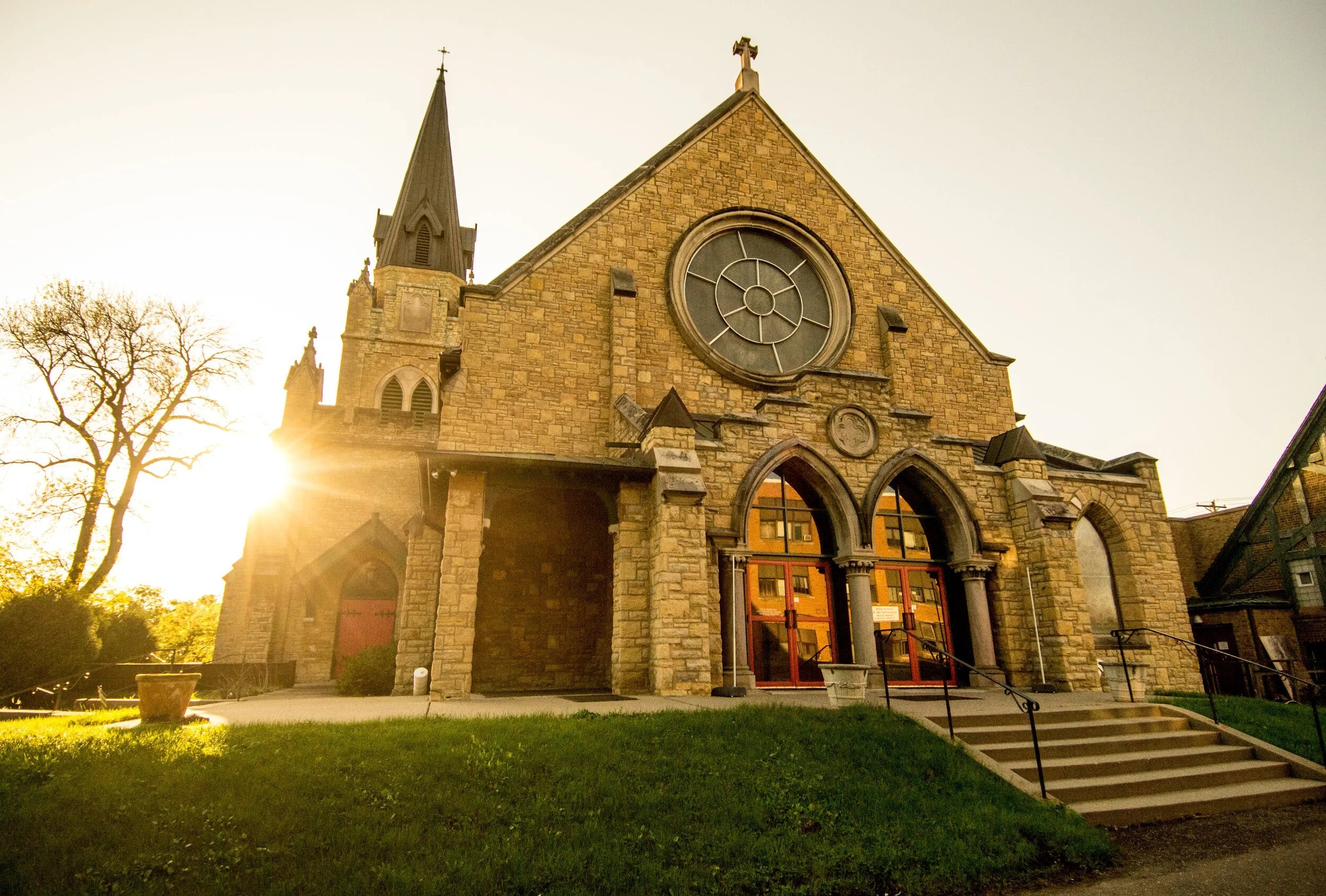
On January 18, a protest that began in the streets of Minneapolis — tied to opposition over federal immigration enforcement — culminated in a disruption of a Sunday worship service at Cities Church in St. Paul, Minnesota. A group of anti-ICE demonstrators entered the sanctuary during worship, chanting slogans such as “ICE out” and “Justice for Renee Good,” in reference to the death of Renée Nicole Good. She was fatally shot by an ICE agent after striking him with her SUV in Minneapolis on January 7.
According to federal officials, three people have been arrested, so far, on federal civil-rights conspiracy charges in connection with the protest. One is a civil rights attorney, and another is a St. Paul school-board member, who both reportedly participated in Sunday’s disruption.
Cities Church is affiliated with the Southern Baptist Convention and lists one of its pastors as both a religious leader and an acting field director for U.S. Immigration and Customs Enforcement (ICE) in Minnesota. Protesters alleged that this dual role represented a conflict with the Gospel’s call to love and protect the vulnerable — a theological objection intertwined with their political message.
Church officials condemned the disruption as unlawful and “shameful,” saying that entering a place of worship to interrupt services violated both Christian norms and U.S. law. The congregation’s online statement emphasized that worship gatherings are sacred and should not be turned into platforms for political confrontation.
Legal Frame: FACE Act, Klan Act, and First Amendment Claims
At the heart of the national debate is whether federal law gives prosecutors the tools to pursue charges against individuals who disrupt religious services.
The Freedom of Access to Clinic Entrances Act (FACE Act) — passed in 1994 — was originally crafted to protect access to facilities that provide abortions. But it also includes a lesser-known provision that bars physical obstruction or intimidation that interferes with the exercise of religious freedom at places of worship.
Attorney General Pam Bondi has vowed to use the law to hold demonstrators accountable, tweeting that “attacks on places of worship will not be tolerated.” Federal prosecutors also signaled interest in employing the Ku Klux Klan Act of 1871 in cases where protesters allegedly collaborated to deny church members their constitutional liberties. The Civil War–era statute protects civil rights against conspiracies and vigilante violence.
A federal magistrate judge has declined to authorize criminal charges against former CNN anchor Don Lemon, who livestreamed the protest. The judge, who’s reportedly married to a top prosecutor in Minnesota Attorney General Keith Ellison’s office, ruled that his presence and reporting did not satisfy probable cause for criminal charges.
Balancing Free Speech and Sacred Space
Supporters of federal action argue that storming a church service — especially to confront worshippers or disrupt a prayer gathering — crosses a line from protected speech into unlawful interference with religious exercise. They contend that houses of worship are among the most protected spaces in American constitutional law, and that existing statutes like the FACE Act provide an appropriate framework for prosecution.
Critics of aggressive prosecution stress that political protest is a core First Amendment right, even when it targets powerful government agencies, like ICE. Some theologians and legal scholars also caution against equating every politically charged act with criminal behavior, arguing that the state must tread carefully so as not to chill dissent or conflate peaceful protest with violence.
Indeed, activists involved in the protest have described their action not as an “invasion,” but as a form of civil disobedience meant to draw attention to what they view as moral failings in both church leadership and immigration enforcement. They maintain that their actions — though disruptive — were nonviolent and purposeful.
Theology on the Table
In the wake of the incident, some commentators on the left drew biblical analogies to Jesus clearing the Temple — a moment in the Gospels of Matthew, Mark, and John, when Christ overturned the tables of money changers in the Temple courts. Advocates for this comparison argue that confronting institutions that harm the marginalized is a biblical mandate.
However, most mainstream and evangelical theologians reject the analogy. They point out that Jesus did not assault worshippers in the Temple or interrupt prayer services. His actions were directed at corrupt practices that exploited worship, not worshippers themselves. By contrast, the Minnesota protest targeted individuals and a congregation in the midst of worship — a clear distinction in both intent and context.
Leading conservative religious voices have described the protest as a violation of the sanctity of worship, urging both civil society and government to protect sacred spaces, not politicize them.
Is Federal Pressure Warranted?
Calls for federal action are coming from multiple directions: Law-and-order advocates argue for robust enforcement against protesters who violate laws protecting religious liberty. Some local Republicans have urged President Trump to consider invoking the Insurrection Act or other extraordinary measures to restore order in Minnesota, though some consider such moves unnecessary and extreme.
Whether federal pressure on Minnesota Gov. Tim Walz and Minneapolis Mayor Jacob Frey is necessary depends on how one weighs competing priorities: safeguarding constitutional liberties and sacred spaces versus protecting the right to dissent and protest government policy. So far, the DOJ’s civil-rights investigation has targeted arrests under established statutes, and ongoing dialogue among community leaders reflects an attempt to balance these concerns without sacrificing constitutional principles.
Toward a Constructive Path Forward
For Christians and civic leaders alike, this episode raises profound questions about how faith communities engage contentious public policy, how the law defends both worship and protest, and how citizens with deeply divergent convictions can coexist without resorting to fear, coercion, or violence.
Respect for sacred spaces and civil liberties — not just in theory, but in practice — may be the best path forward.
Sources: