National Jubilee of Prayer 2026: What Christians Should Know
Editor's Note: The views and opinions expressed in this article are those of the author and do not necessarily reflect the official policy or position of Regent University, its faculty, administration, or affiliates.
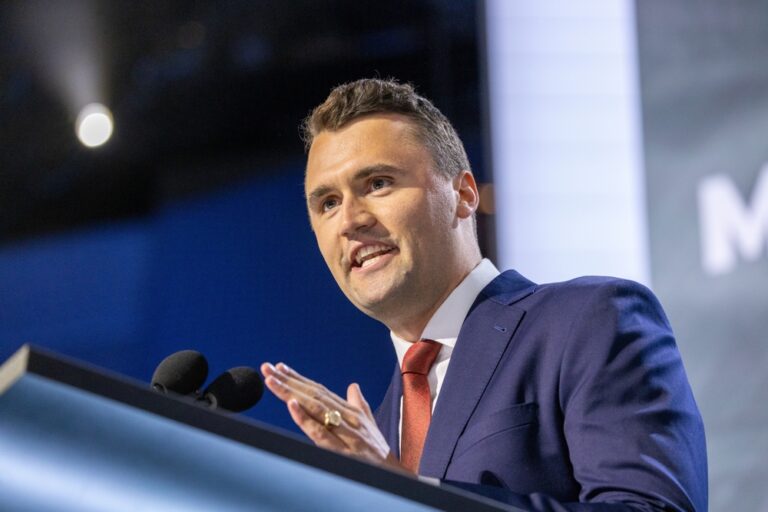
On February 5, 2026, President Donald J. Trump spoke at the 74th annual National Prayer Breakfast in Washington, D.C. In his address, he centered his remarks on the role of faith in American life while unveiling a national call to prayer and thanksgiving as the nation approaches its 250th anniversary.
Speaking to religious and political leaders from across the country, the President framed the breakfast as more than a longstanding tradition. He described it as a moment of spiritual significance and spoke about the connection between personal faith and national purpose.
At the center of his remarks was a striking declaration.
“Prayers strengthen, prayers heal, prayer empowers, and prayer saves. Quite simply, prayer is America’s superpower.”
That conviction shaped one of the most significant announcements of the speech.
The President revealed plans for a national gathering centered on prayer. As he explained:
“On May 17, 2026, we are inviting Americans from all across the country to come together on our National Mall to pray, to give thanks, and to rededicate America as one nation under God.”
The event, called the National Jubilee of Prayer, Praise, and Thanksgiving, is envisioned as a day of worship, reflection, and communal prayer. Organizers anticipate participants from every state gathering in Washington to give thanks for 250 years of providential history and to pray for the years ahead.
A Call Rooted in American History
The timing of this invitation carries particular historical weight. In 1776, America’s founders declared a commitment to “life, liberty, and the pursuit of happiness,” grounded in truths they described as self evident and endowed by a Creator.
From the earliest days of the republic, leaders have called the nation to prayer during pivotal moments.
The Continental Congress proclaimed days of prayer and fasting during the Revolutionary War. Abraham Lincoln later called the country to prayer and thanksgiving during the Civil War.
Public prayer has long accompanied seasons of national trial, gratitude, and renewal.
As the nation approaches its 250th anniversary, this renewed call to prayer echoes that tradition.
A Biblical Perspective
For Christians seeking to engage faithfully in public life, events like this invite careful reflection. Scripture affirms the importance of corporate prayer and thanksgiving.
Psalm 33:12 reminds us:
“Blessed is the nation whose God is the Lord.”
Similarly, 2 Chronicles 7:14 calls God’s people to humble themselves, pray, seek His face, and turn from their ways. The Apostle Paul urged believers to pray for those in authority so that people may live peaceful and godly lives (1 Timothy 2:1–2).
A national gathering devoted to prayer can reflect this biblical pattern of believers interceding for the welfare of their nation.
At the same time, Scripture reminds Christians that their ultimate allegiance does not rest in any earthly leader. Jesus calls His followers to seek first the kingdom of God (Matthew 6:33). Prayer for a nation must always remain rooted in dependence on God rather than confidence in political power.
Continuing the Work of Faithful Leadership
Moments like this remind us that the relationship between faith and public life continues to shape the American story. They also underscore the importance of forming leaders who understand both the biblical foundations of faith and the responsibilities of citizenship.
At Regent University, that work continues every day as students are prepared to serve with wisdom, conviction, and faith in their communities, churches, professions, and public life.
By coming alongside us, you make that work possible.
Your generosity sustains the scholarship, teaching, and formation that prepare the next generation to lead faithfully in a changing world.
Sources: