Free Speech, Employment Law, and the Aftermath of Tragedy: Lessons from Recent Disciplinary Actions
Editor's Note: The views and opinions expressed in this article are those of the author and do not necessarily reflect the official policy or position of Regent University, its faculty, administration, or affiliates.
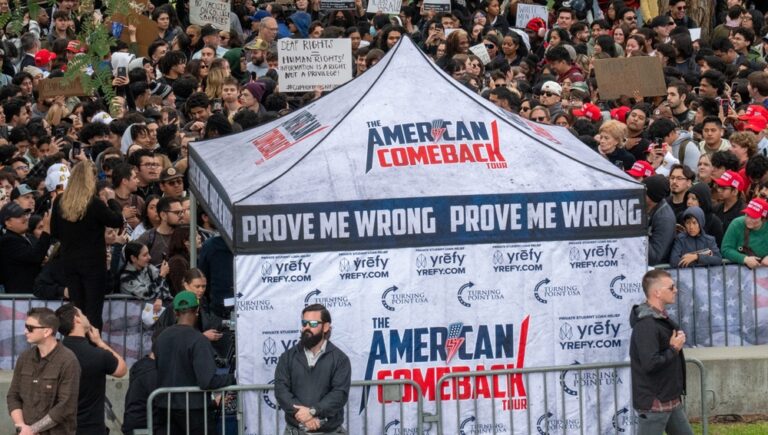
The horrific and very public assassination of conservative activist Charlie Kirk at Utah Valley University on September 10, 2025, sent shockwaves across the nation. Beyond the immediate tragedy and its impact on Kirk’s family, friends, and fans, the shooting exposed the troubling state of America’s political landscape.
The aftermath of Kirk’s death also revealed significant issues regarding free-speech principles and employment-law practices. As the tragedy dominated news headlines and social media, an increasing number of people across the country began facing termination, suspension, or disciplinary action for public comments related to the assassination.
Regent University’s Center for Christian Thought and Action (CCTA) wants to examine these developments through the lens of constitutional law, employment law, and professional ethics. CCTA’s goal is not to take a political stance. Instead, we want to understand the legal principles at stake.
The Legal Landscape: Public vs. Private Employment
The wave of employer actions against those celebrating, condoning, or even supporting Kirk’s assassination highlights a fundamental distinction in American law: the different protections afforded to public employees versus private employees regarding their speech.
Public Employees and the Pickering Standard
Among those facing consequences are numerous teachers and university faculty. These public employees theoretically enjoy greater First Amendment protections than their counterparts in the private sector. Under the Supreme Court’s decision in Pickering v. Board of Education (1968), public employees retain some First Amendment rights, but those rights must be balanced against the government’s interest as an employer in maintaining workplace efficiency and avoiding disruption.
The Pickering balancing test considers several factors:
- Whether the speech addresses matters of public concern
- Whether it substantially interferes with work relationships or workplace functioning
- Whether it undermines the employee’s effectiveness in their position
- The manner, time, and place of the speech
Private Employees and At-Will Employment
The majority of recent disciplinary actions have occurred in private employment settings, including major corporations and various media companies. Private employees generally have no First Amendment protection against employer retaliation for their speech, as the First Amendment constrains government action, not private-employer decisions.
Under the employment-at-will doctrine prevalent in most states, private employers can terminate employees for nearly any reason — or no reason — as long as the employer doesn’t violate specific statutory protections (such as those based on race, gender, religion, or other protected characteristics). Social media posts, even those shared on personal time, can provide grounds for termination if employers deem them harmful to the company’s interests or reputation.
Professional and Ethical Considerations
Several of the disciplinary actions since Kirk’s assassination have involved individuals in positions of public trust or professional licensing. A Secret Service agent was placed on administrative leave for posts deemed inappropriate, while law professors and other licensed professionals also have faced suspension or termination.
These cases raise important questions about the heightened expectations placed on individuals in certain professions:
Law Enforcement and National Security Personnel: Those entrusted with protecting public figures and national security face heightened scrutiny for any speech that could be perceived as undermining their professional duties or creating conflicts of interest.
Licensed Professionals: Attorneys, teachers, and other licensed professionals often face additional ethical obligations that extend beyond their immediate employment relationships. State licensing boards may view certain public statements as reflecting poorly on the profession’s integrity.
Education Professionals: Teachers and professors occupy a unique position as both public servants (in many cases) and shapers of young minds, which can create additional complexities in regard to their speech rights and responsibilities.
The Broader Context: Political Violence and Civil Discourse
Charlie Kirk’s assassination represents part of a disturbing trend of political violence in America, including recent attacks on individuals from both parties. In this charged atmosphere, employers — both public and private — face legitimate concerns about workplace harmony, public perception, and legal liability.
However, the swift and widespread nature of recent employment actions has raised concerns:
Chilling Effect on Expression: When employees fear losing their job for expressing political or other opinions, even controversial ones, it can create a chilling effect on legitimate discourse.
For Employees:
- Understand Your Rights and Limitations: Know whether you’re a public or private employee and what protections (if any) you have for your speech.
- Review Company Policies: Familiarize yourself with your employer’s social media and conduct policies.
- Consider Professional Obligations: Licensed professionals should be aware of ethical rules that may govern their public statements.
- Exercise Wisdom in Public Expression: While legal rights are important, practical wisdom suggests considering the potential consequences of public statements, particularly in highly charged political environments and circumstances.
The Path Forward: Balancing Rights and Responsibilities
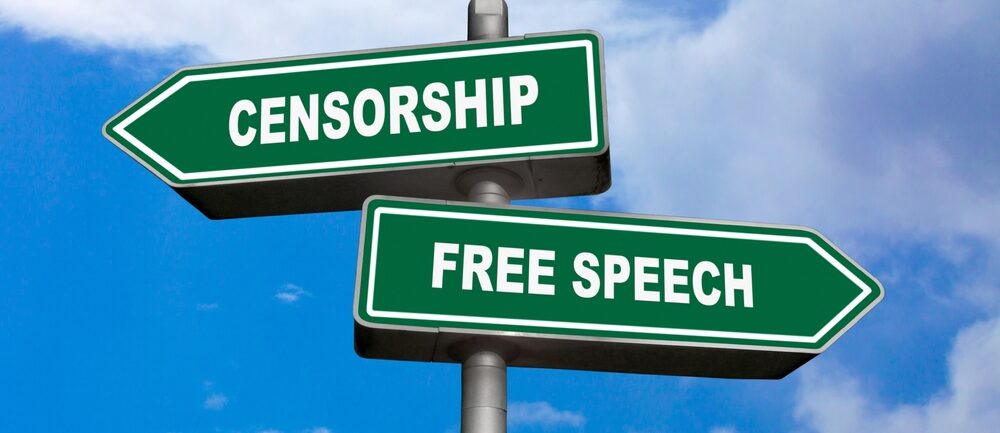
The events that have unfolded nationwide following Kirk’s death serve as a sobering reminder of the challenges facing any democratic society. While every reasonable person must condemn political violence unequivocally, each citizen must also be careful not to allow tragedy to erode the principles of free expression and open debate that are essential to a healthy republic.
Conclusion
The intersection of free speech, employment law, and political tragedy presents no easy answers. Each situation requires careful analysis of the specific facts, applicable law, and competing interests involved. What remains constant is America’s commitment to the rule of law, constitutional principles, and civil discourse essential to the “unalienable Rights” of “Life, Liberty and the pursuit of Happiness.”.
As millions of Americans mourn the loss of Charlie Kirk, while also grappling with the broader implications of political violence, no one should lose sight of the legal and ethical principles that guide this great nation and its citizens. The challenges are complex, but the United States’ dedication to justice, fairness, and constitutional principles provides a foundation for successfully navigating these difficult times.
This analysis is provided for educational purposes and should not be construed as legal advice for any specific situation. For specific legal questions, consult with a qualified attorney familiar with your jurisdiction’s employment and constitutional law.